

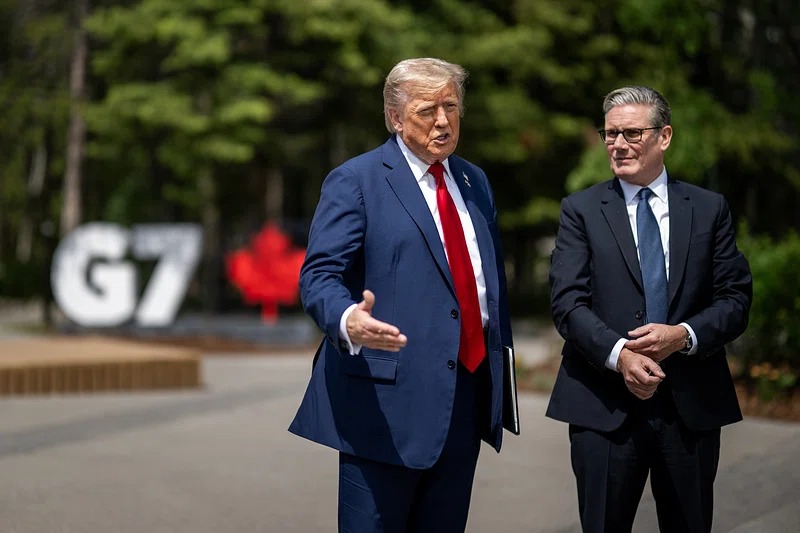
The Iran conflict raised a question that European governments have been reluctant to address directly: has the era of automatic European deference to American military leadership come to an end? The experiences of Britain and Spain — two of America’s closest partners, both initially declining to support the Iran campaign — suggested that the answer might be yes.
European governments have changed significantly since the period of greatest US-European military alignment in the 1990s. The trauma of the Iraq War, which demonstrated the costs of following American leadership into a conflict that proved catastrophic, left deep marks on European political cultures. Those marks have not healed.
The Iran conflict activated those memories and the instincts they produced. Governments in both London and Madrid calculated that the domestic political cost of participation outweighed the diplomatic cost of refusal — a calculation that would not have been made in the same way twenty years earlier.
The American reaction was sharp and public, but it did not change the underlying reality: European publics are less willing to support American military operations unconditionally than they once were, and European governments must respond to that reality. The question is how to manage the resulting tensions.
Whether the answer lies in more honest communication about the limits of allied commitment, in a recalibration of American expectations, or in some other formula, the Iran conflict had made clear that the old model of automatic European alignment was under greater strain than many had acknowledged.