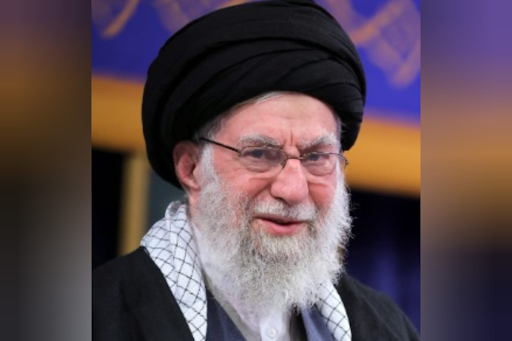
The killing of Iran’s Supreme Leader by US and Israeli airstrikes represents a significant crossing of a threshold in modern international relations. States have targeted and killed non-state militant leaders, military commanders, and intelligence figures many times in recent decades. The deliberate targeting of a sitting head of state — even one whose legitimacy is widely disputed — is a different matter.
International law on the subject is complex and contested. The UN Charter prohibits the use of force against the territorial integrity or political independence of any state, and targeted killing of heads of state sits in uncomfortable tension with these principles. Historically, even governments that have sought regime change have typically avoided the explicit targeting of heads of state, preferring instead to support opposition forces or create conditions for internal change.
The decision to kill Khamenei reflects a judgment that the benefits — potentially destabilizing the Iranian regime, removing its most consistent decision-maker, and signaling the cost of continuing conflict — outweigh the risks, including international opprobrium, potential legal liability, and the possibility of an Iranian response that escalates the conflict further.
Russia and China have condemned the action in terms that suggest they view it as a dangerous precedent. Both countries have their own contested leadership situations and are presumably attentive to the norms being established about what external actors can do to sitting heads of state. Their condemnation serves both principled and self-interested purposes.
For smaller states around the world, the episode raises profound questions about sovereignty and the protection afforded to heads of state under international law. If the United States and Israel can kill a sitting head of state with apparent impunity, the precedent has implications that extend far beyond Iran.
The Assassination Threshold: What It Means When States Kill State Leaders