

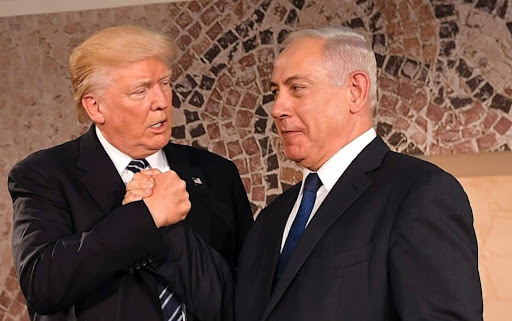
The most visible costs of the US-Israel divergence over the South Pars gas field strike were immediate — Iranian retaliation, energy price increases, Gulf ally alarm. Less visible but potentially more lasting are the credibility and trust costs that the episode imposed on both governments’ public narratives about the alliance. When official statements are contradicted by reported facts, when claimed ignorance conflicts with confirmed prior knowledge, and when assurances of unity follow publicly acknowledged disagreements, the gap between narrative and reality narrows trust in ways that accumulate over time.
US President Donald Trump’s social media claim that the US “knew nothing” about the strike was quickly challenged by sourced reporting. The subsequent confirmation of ongoing target coordination — from US officials themselves — made reconciling the two positions difficult. The sequence created an impression of managed messaging rather than transparent communication, and that impression has costs with allies who depend on American candor to calibrate their own decisions.
Israeli Prime Minister Benjamin Netanyahu’s “acted alone” statement while simultaneously accepting a limitation, and his deferential language that obscured genuine operational independence, was similarly complex. The gap between “He’s the leader” and “Israel acted alone” is real, and attentive observers — including Iran, Gulf states, and regional partners — noticed it. Managing perceptions is a necessary part of alliance diplomacy, but it has limits when the management is visibly strained.
Director of National Intelligence Tulsi Gabbard’s congressional testimony provided an unusual injection of official candor into this picture — acknowledging different objectives directly and on the record. That candor was valuable in its accuracy, but it also added to the picture of an alliance whose internal tensions are more significant than its public messaging typically acknowledges.
Long-term credibility is one of any alliance’s most valuable assets. It determines how much weight allies place on commitments, how much confidence markets and regional partners have in stability guarantees, and how effectively both governments can manage third-party relationships. The South Pars episode imposed costs on that credibility — not irreparable, but real. Managing those costs will require more honesty and more genuine alignment than either government has demonstrated so far.