

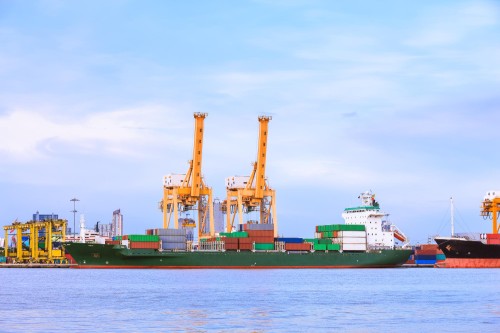
Europe is grappling with a new wave of economic challenges stemming from its increasing reliance on Chinese imports, particularly in components critical to various industries. This dependence has sparked fears among trade analysts and industry representatives of a potential “China shock,” reminiscent of the economic upheaval faced by the United States 25 years ago. With China now deeply integrated into the European Union’s industrial framework, there are growing concerns about job losses and the potential for Beijing to exert significant influence over European industries.
Trade experts highlight the undervaluation of the yuan against the euro and the extensive state subsidies that make Chinese products cheaper as key factors exacerbating the situation. Jens Eskelund, president of the European Chamber of Commerce in Beijing, notes that while finished goods like electric vehicles are often the focus, it’s the influx of components from China that poses the real challenge. The EU is reportedly considering strategies to mitigate this dependency, such as requiring companies to source key components from multiple suppliers.
Oliver Richtberg of VDMA underscores the competitive disadvantage faced by European manufacturers, citing Germany’s machinery industry as having lost 22,000 jobs in a year. This sentiment is echoed by data from trade watch platforms which show alarming levels of dependency on Chinese products, such as amino acids and polyhydric alcohols, essential in various sectors. The imbalance is evident in trade figures, with China’s trade surplus with Germany doubling, highlighting the urgency for the EU to act.
While legislative proposals aimed at bolstering European industry are in the pipeline, they are not expected to be effective until later in the decade, leaving the EU in a precarious position. Andrew Small from the European Council on Foreign Relations points out that current measures are inadequate to counter the massive influx of Chinese imports. The political challenges of imposing tariffs have already been substantial, and the EU must carefully navigate its next steps to avoid exacerbating tensions with China.
As Germany, now China’s top trading partner in Europe, continues to experience significant industrial job losses, the stakes are high. The economic implications are clear, but there are also concerns about the broader security implications of such dependency. The EU’s need for immediate action is pressing, as delays could lead to deeper economic ramifications and increased vulnerability to external influences.