

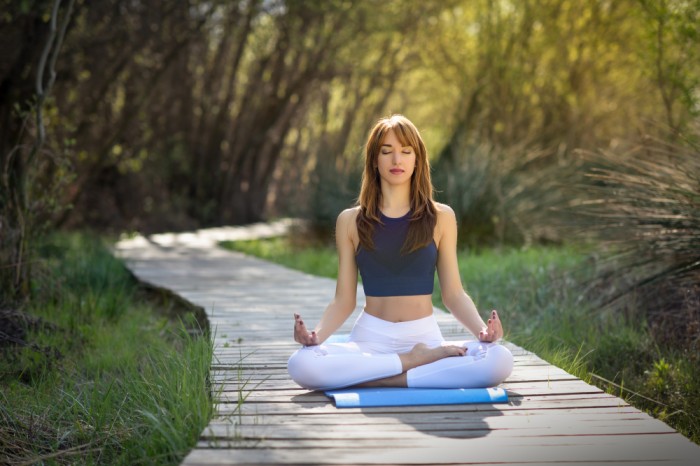
Yoga, often synonymous with physical postures and flexibility, encompasses a much broader philosophy aimed at harmonizing the body, mind, and inner self. Rooted in ancient practices, yoga emphasizes awareness, discipline, and self-development beyond mere bodily movements. The term “yoga” is derived from the Sanskrit word “yuj,” which means to unite, symbolizing the connection between individual consciousness and a heightened state of awareness. Yoga encourages individuals to slow down, observe their thoughts, and cultivate inner balance and peace.
Central to traditional yoga are the teachings of Patanjali, who delineated an eight-part path known as the Eight Limbs of Yoga. These principles offer guidance for leading a mindful and meaningful life. The first limb, Yama, focuses on ethical standards and how one interacts with others, promoting values such as non-violence, truthfulness, and moderation to foster harmony in relationships. Niyama, the second limb, emphasizes personal discipline and growth, highlighting the importance of self-reflection, gratitude, and inner cleanliness as pathways to personal transformation.
Asana, the third limb, refers to the physical postures widely recognized in modern yoga practice. Traditionally, these postures served to prepare the body for meditation by fostering physical stability and comfort. The fourth limb, Pranayama, involves the regulation of breath, a practice that connects the body and mind, enhancing focus, calmness, and overall awareness. Breath control is considered a crucial tool in many yoga traditions for managing emotions and maintaining balance.
The journey inward continues with Pratyahara, the fifth limb, which involves withdrawing attention from external distractions and fostering internal awareness. This practice is followed by Dharana, the sixth limb, which strengthens concentration by focusing the mind on a single point, such as breath or sound, thus improving mental clarity. Dhyana, the seventh limb, represents a deep meditation state where concentration flows seamlessly, encouraging a tranquil and present state of mind. Finally, Samadhi, the eighth limb, signifies the ultimate stage of complete awareness and connection, characterized by profound inner peace and unity beyond individual self.
Together, these eight limbs illustrate that yoga extends beyond physical exercise to a comprehensive approach that nurtures physical health, mental discipline, and spiritual growth. They underscore yoga’s role as a holistic practice for achieving balance and a more fulfilling life.