

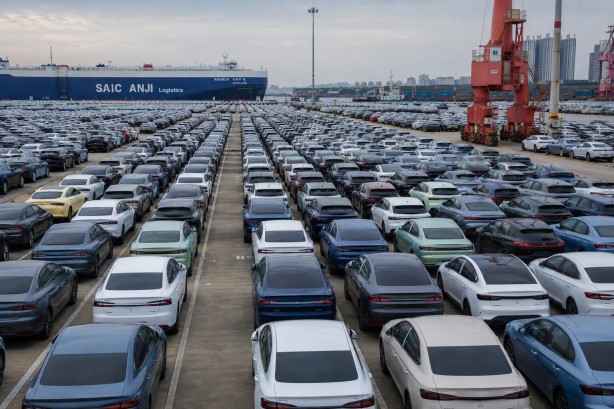
China has emerged as the world’s largest market for electric vehicles, catalyzing the growth of major companies and leaving a significant imprint on the global automotive industry. This rapid expansion, however, has prompted concerns about potential overproduction and the increasingly intense competition among manufacturers.
Over the last ten years, China has seen a surge in electric vehicle development, fueled by government incentives, local investments, and strong consumer interest. These efforts have not only propelled some Chinese automakers to prominence but have also solidified the country’s leadership in battery technology and clean transportation.
Yet, this swift growth has outpaced demand in certain sectors, leading to a production capacity that exceeds current market needs. As a result, the industry faces widespread price wars and considerable financial strain. In the scramble to secure market share, manufacturers are slashing prices, intensifying competition, and putting smaller companies at a disadvantage as larger firms continue their heavy investments in technology, production, and expansion abroad.
Chinese authorities have recently expressed concerns about this overcapacity, cautioning that unchecked growth could pose economic risks. Analysts highlight the current challenge as one of finding a balance between fostering innovation and maintaining sustainable, long-term industry development.
Despite these challenges, China remains at the forefront of the electric vehicle industry, with its manufacturers pushing into international markets and redefining the future of transportation on a global scale.